Complete Hajj Guide for Beginners
Hajj is the annual pilgrimage to Makkah, performed in the first half of Dhul Hijjah. It is one of the five pillars of Islam, obligatory once in a lifetime for every Muslim who is able. This guide explains the rites in order, separating what is essential from what is obligatory or recommended.
Conditions and preparation
Hajj is required of a Muslim who is adult, sane and physically and financially able, including safe passage and provision for dependants left behind. Women travel with a mahram according to the majority view; scholars and authorities differ on arrangements, so check both scholarly guidance and current official rules. Today Hajj requires an official permit through the authorised channels of your country; never rely on unofficial offers. Learn the rites beforehand, settle debts and affairs, seek forgiveness from others, and ensure your money is lawful.
Types of Hajj
- Tamattu: perform Umrah in the Hajj months, leave Ihram, then enter Ihram for Hajj on 8 Dhul Hijjah. A hady (sacrifice) is required.
- Qiran: enter Ihram for Umrah and Hajj together and stay in Ihram until the rites of 10 Dhul Hijjah. A hady is required.
- Ifrad: Ihram for Hajj only. No hady is required.
Most pilgrims from abroad do Tamattu. Schools of thought differ on which is best; follow your group's scholar and make sure you know which you are doing before you enter Ihram.
Miqat, Ihram, intention and Talbiyah
The miqat is the boundary a pilgrim must not pass without Ihram. Those flying in usually enter Ihram at or before the point designated by the airline and group leader; confirm this in advance. Ihram means making the intention and entering the sacred state, not just wearing the garments. Men wear two unstitched white sheets; women wear ordinary modest clothing without face veil or gloves. Bathe, put on Ihram, pray if it is prayer time, and make the intention for your type of Hajj. Then repeat the Talbiyah, which men say aloud:
Labbayk Allahumma labbayk, labbayka la sharika laka labbayk. Innal-hamda wan-ni'mata laka wal-mulk, la sharika lak.
Restrictions in Ihram: no cutting hair or nails, no perfume or scented products, no hunting or killing game, no marriage contract, no marital relations or foreplay, and no arguing or sinning. Men may not cover the head or wear stitched garments that fit the body. Breaking a restriction may require an expiation (fidya); ask a scholar, since the ruling depends on the case, including mistakes and forgetfulness.
8 Dhul Hijjah: to Mina
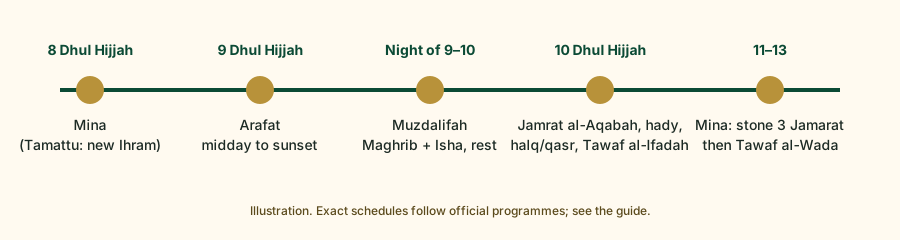
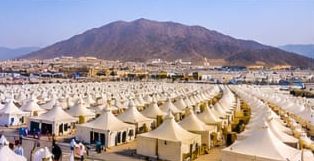
Pilgrims in Tamattu enter Ihram for Hajj and go to Mina, where they pray Dhuhr, Asr, Maghrib, Isha and Fajr, shortening the four-rakah prayers without combining them. Spend the time in worship. Many official programmes follow their own schedule; follow your group leader.
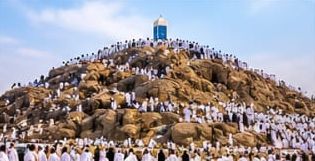
9 Dhul Hijjah: Wuquf at Arafat
Arafat is the climax of Hajj. The Prophet ﷺ said, "Hajj is Arafat" (Ahmad, Abu Dawud, Tirmidhi). It is a pillar: whoever misses it has missed Hajj. A pilgrim who reaches Arafat at any moment between the start of its time and the dawn of the 10th has caught it, according to the majority.
Boundaries and timing
Arafat is a defined plain with boundary markers. Part of Masjid Namirah lies outside it, and the Uranah valley is not part of Arafat. Check you are within the markers and not at the edge. The standing begins after midday according to the majority and continues to sunset. If you were present for a part of that time and left before sunset, scholars hold different views on whether a sacrifice is due; if this happens, ask a scholar.
What to do
- Dhuhr and Asr are prayed combined and shortened at Dhuhr time, following the sunnah, whether in Namirah mosque or in your camp.
- Spend the afternoon in dua, dhikr and Qur'an. Facing the qiblah is recommended. It is not required to stand on Jabal al-Rahmah or climb it.
- The Prophet ﷺ said the best dua is the dua of the day of Arafah, and the best said by him and the prophets before him is: La ilaha illallah wahdahu la sharika lah, lahul-mulku wa lahul-hamd, wa huwa 'ala kulli shay'in qadir. (Tirmidhi)
- Pilgrims do not fast on this day, following the Prophet's practice. The sunnah of fasting Arafah is for those not on Hajj.
- Sick or elderly pilgrims who are taken there by transport or ambulance have also stood at Arafat. Presence is what counts, not walking.
Stay until sunset. Leaving before sunset is a common error that can create an obligation to compensate. Take shade and water, because heat and exhaustion are the biggest risks of the day.
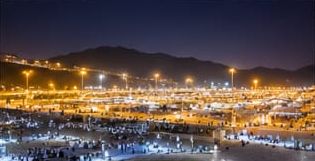
Muzdalifah
After sunset, go to Muzdalifah without praying Maghrib on the way. Pray Maghrib and Isha together there (Maghrib three, Isha shortened to two). Staying the night until Fajr is the practice of the Prophet ﷺ; scholars differ on how much is obligatory, and many allow the weak, the elderly, women and their companions to leave after midnight. Collect pebbles if you wish; they can also be collected elsewhere. After Fajr, make dua until the sky is bright, then proceed to Mina.
10 Dhul Hijjah: Day of Sacrifice (Yawm an-Nahr)
This is the busiest day of Hajj. The Prophet ﷺ did four things in this order: stoned Jamrat al-Aqabah, offered the sacrifice, shaved his head, then performed Tawaf al-Ifadah. When people asked him about doing them in a different order he said "do it, there is no harm," so scholars generally permit reordering, especially for forgetfulness or difficulty. Aim for the sunnah order, but know that confusion in order need not ruin your Hajj.
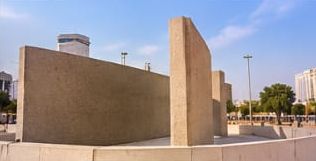
1. Stoning Jamrat al-Aqabah
Stop the Talbiyah when you throw the first pebble. Throw seven pebbles one at a time, each about the size of a chickpea or fingertip tip, saying "Allahu akbar" with each. Each must land in the basin; if you are unsure, throw again. Pebbles are not washed, and throwing shoes or large objects is wrong. The time and the permitted windows for stoning are managed by the authorities because of crowd safety, and scholars differ on how early or late it may be done; follow your group's official schedule and ask your scholar if you have a special case. If you are unwell or frail, you may appoint a representative according to scholarly guidance.
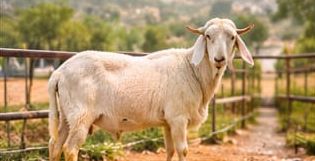
2. Hady (sacrifice)
Pilgrims doing Tamattu or Qiran must provide a hady: a sheep or goat, or a share in a camel or a cow (up to seven people). Most pilgrims arrange this through an authorised programme; ask how and when it will be done and how you will be told. A pilgrim who cannot afford it fasts three days during Hajj and seven after returning home, according to Qur'an 2:196. Do not trim your hair assuming that the sacrifice is complete unless you have been informed; if in doubt, ask your group leader.
3. Halq or Qasr
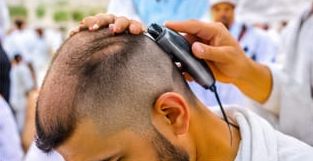
Shave the head or shorten the hair. For men, shaving is preferred, and the Prophet ﷺ made dua for those who shave three times and those who shorten once. Shortening must cover the whole head, not just a few strands. Women trim about a fingertip's length from the end of all hair. Once you have thrown the Jamrat and cut the hair, you reach the first tahallul: most restrictions are lifted except marital relations.
4. Tawaf al-Ifadah and Sa'i
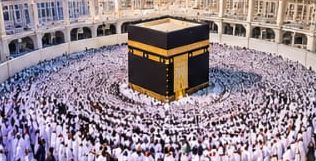
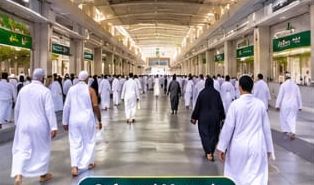
Go to Makkah for Tawaf al-Ifadah (also called Tawaf az-Ziyarah), a pillar of Hajj, seven circuits as in Umrah but without raml or idtiba. Tamattu pilgrims then perform the Sa'i of Hajj. Qiran and Ifrad pilgrims perform the Sa'i if they have not done it after an earlier Tawaf al-Qudum. After this the second and final tahallul is reached and every restriction ends. If you cannot do it on the 10th, it can be delayed to the days of Tashreeq or later, but schedule it so you can return to Mina for the nights. A woman whose period begins before Tawaf al-Ifadah should ask a scholar right away; there are recognised options, and these depend on her circumstances.
Days of Tashreeq, Jamarat
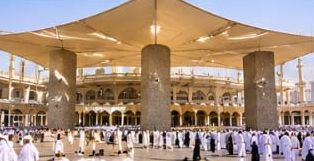
Return to Mina for the nights of 11 and 12 Dhul Hijjah (the night of 13th too if you stay). Each day, after midday, stone all three Jamarat (small, middle, large) with seven pebbles each, in that order. Those who hurry may leave Mina before sunset on the 12th; those who stay for the 13th are praised in the Qur'an (2:203). Stoning is a worship ritual, not a fight with Satan; throw pebbles, not shoes. Crowd policies and the permitted times are set by the authorities, so follow their guidance. If you are weak you may appoint a representative, per scholarly guidance.
Tawaf al-Wada
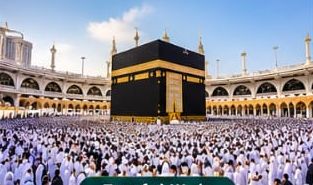
Before leaving Makkah, perform a farewell Tawaf so that it is your last rite. It is obligatory for most schools, except for a woman in her period. Do not delay long after it except for necessary matters such as packing.
Common mistakes
- Entering Ihram after passing the miqat.
- Leaving Arafat before sunset, or thinking that being near its edge counts.
- Praying Maghrib before arriving in Muzdalifah.
- Cutting hair before stoning without knowing the order rules.
- Pushing in crowds at the Jamarat and Black Stone.
- Relying on unofficial permits, which can leave you stranded.
Health and crowd safety
Heat, dehydration, exhaustion and crowding are the main risks. Drink water, rest in shade, wear sun protection that is not forbidden in Ihram (an umbrella is permitted), and use unscented soap. Check vaccination requirements with official health authorities, take prescribed medicine with a doctor's letter, save your group's address and emergency number, and keep your wristband or ID on you. If someone is in distress, ask for help from officials.
Preparation checklist
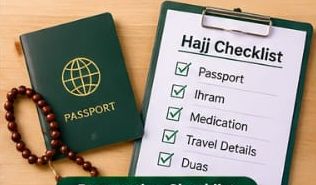
- Official permit and authorised provider confirmed.
- Passport, visa and vaccination documents ready.
- Know your Hajj type, the miqat plan and your hady arrangement.
- Two Ihram sets or modest clothing, unscented toiletries, walking shoes, comfortable sandals.
- Medicines and a doctor's letter, a small bag of essentials, a power bank.
- Dua list, plus a scholar's number for your questions.
FAQ
Can I do Hajj without a permit?
Saudi authorities require an official permit, and travelling without one is not permitted by law. Consult both the rules and scholarly guidance.
Is Sa'i a pillar?
The majority (Maliki, Shafi'i, Hanbali) say yes; the Hanafis consider it obligatory (wajib) and requiring a sacrifice if left.
What if I forget a rite?
Ask a scholar promptly. Some omissions require a sacrifice; others cannot be made up. Do not guess.
See also: Complete Umrah Guide for Beginners.