Complete Umrah Guide for Beginners
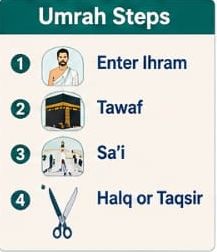
Umrah is a visit to the Sacred Mosque in Makkah, performed at any time of year. It consists of Ihram, Tawaf, Sa'i and shaving or trimming the hair. Many scholars regard it as obligatory once in a lifetime and others as strongly recommended, so follow your school or your scholar. It can be completed in a few hours.
Preparation before departure
Learn the steps in advance, repent and settle debts and obligations, and ensure lawful funds. Visa and entry rules, Nusuk requirements, health requirements and permitted dates vary by nationality and season and change often, so check official sources (see below) and use a licensed provider. Book with care; check scams.
Miqat, Ihram, intention and Talbiyah
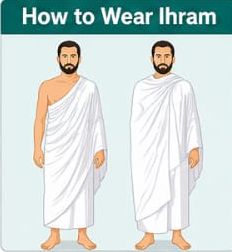
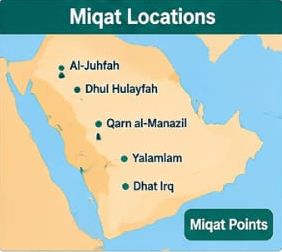
Enter Ihram before crossing the miqat appropriate to your route. Bathe, wear Ihram (two white unstitched sheets for men; modest everyday dress for women, without face veil or gloves), and make the intention for Umrah, for example saying "Labbayk Umrah." Then recite the Talbiyah aloud (men): Labbayk Allahumma labbayk, labbayka la sharika laka labbayk. Innal-hamda wan-ni'mata laka wal-mulk, la sharika lak.
Once in Ihram, avoid cutting hair or nails, perfume, covering the head (men), stitched clothing (men), hunting, marriage contracts, marital relations and arguing. If a restriction is broken, ask a scholar about expiation; ruling depends on circumstances.
Arrival in Makkah and entering the Haram
Keep saying the Talbiyah until you begin Tawaf. Enter Masjid al-Haram with your right foot, saying the dua for entering a mosque. Enter calmly and respectfully, and respect others' space.
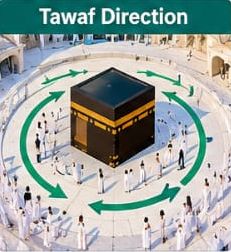
Tawaf: seven circuits
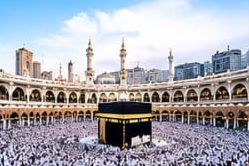
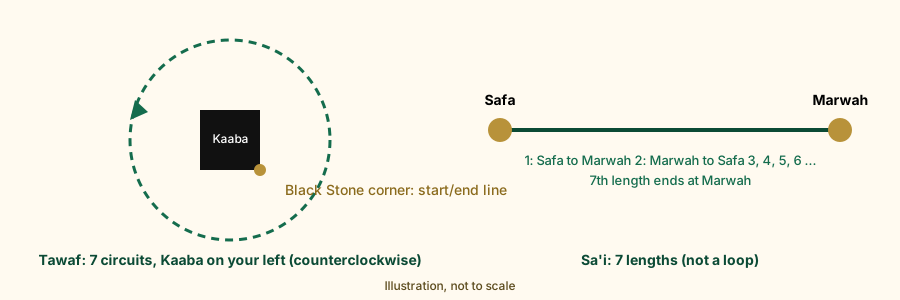
Tawaf is performed counterclockwise with the Kaaba on your left, starting and ending at the Black Stone line (marked by a green light on the wall). Be in a state of wudu. Men uncover the right shoulder (idtiba) for this Tawaf only. Each full circuit is one; make seven. If possible, touch or kiss the Black Stone; if crowded, just point toward it with your hand, saying "Allahu akbar." Never push or hurt others, because this is only a sunnah. Between the Yemeni corner and the Black Stone, it is sunnah to say "Rabbana atina fid-dunya hasanah wa fil-akhirati hasanah wa qina adhaban-nar." Men may walk briskly (raml) in the first three circuits, where it is easy. Count carefully; if you doubt your count, build on the lower number.
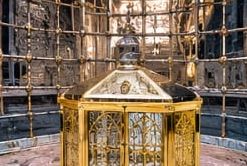
Prayer after Tawaf and Zamzam
Pray two short rakahs, preferably behind Maqam Ibrahim if it is possible without causing harm; elsewhere in the mosque is also valid. Drink Zamzam, and make dua. Return to the Black Stone and point to it if you can; this is recommended and not essential.
Sa'i between Safa and Marwah
Go to Safa and begin there. Going Safa to Marwah is one, Marwah to Safa is two, and so on, so you finish the seventh at Marwah. In Sa'i men jog in the green-marked area; women walk. Wudu is recommended but not required according to most scholars. Make dua on each hill. Breaks for prayer or rest are allowed, and wheelchairs are available (see below).
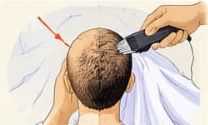
Halq or Qasr and completion
Men may shave the head (preferred) or shorten the hair evenly; women cut a fingertip's length from the ends. After that, Umrah is complete and you leave Ihram. Don't cut hair at the roadside; many people mistakenly do it before Sa'i is finished.
Women, families, older and mobility-limited pilgrims
Women: a woman who is menstruating cannot do Tawaf; she should consult a scholar about the options, as there are differing views and her group's arrangements matter. Do not take medicine to delay your period without medical advice. Families: keep children in sight, label them with contact details, and use designated areas. Children's Ihram is optional rather than compulsory for their validity. Older or mobility-limited: wheelchairs are permitted in the mataf and Sa'i areas; check how to hire an official one and avoid unofficial offers. Plan rest periods.
Common mistakes
- Passing the miqat without Ihram.
- Starting Tawaf from the wrong point, or miscounting.
- Pushing to kiss the Black Stone.
- Starting Sa'i at Marwah.
- Cutting hair before finishing Sa'i.
- Praying in the mataf area, blocking others.
- Trusting unofficial advice on Ihram rulings.
Health and safety
Hydrate, avoid peak crowd times, wear comfortable footwear and keep medication with you. Know your hotel's address and emergency numbers, and speak to officials if lost. Beware of unofficial services and cash scams.

Checklist
- Valid passport, visa or permit, and official confirmations.
- Ihram, belt or pouch, unscented toiletries, sandals.
- Medicines and doctor's letter.
- Dua notes, SIM or eSIM, power bank.
- Emergency contacts and hotel address.
FAQ
How long does Umrah take?
Usually a few hours, depending on crowding and your pace.
Can I do Umrah more than once?
Scholars differ on repeating Umrah in the same trip; ask a scholar.
Are the Green Dome visits part of Umrah?
No. Visiting Madinah is separate from Umrah's rites; it is a recommended visit, not a part of Umrah.
See also: Complete Hajj Guide for Beginners.