Ihram: Complete Guide
Ihram is the sacred state a pilgrim enters for Hajj or Umrah. It is not only the white garments: it begins with the intention (niyyah) at the miqat, and from then certain actions become forbidden until you exit Ihram.
Before entering
It is sunnah to bathe, trim nails and remove unwanted hair beforehand, since these are forbidden afterwards. Men may apply perfume to the body before making the intention, according to the majority of scholars, but not to the Ihram garments after. Pray if it is prayer time, or two rak'ahs, then make the intention.
Clothing
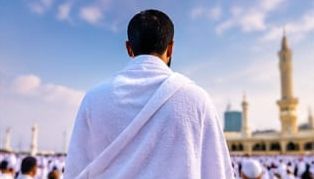
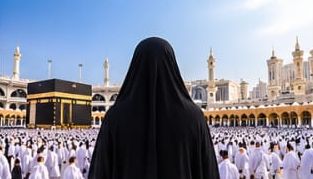
Men wear an unstitched lower wrap and upper cloth, with the head uncovered. Sandals or shoes that do not cover the ankle bones are normally used. Women wear ordinary modest clothing in any colour. In Ihram they do not wear the face veil (niqab) or gloves. Many scholars allow a woman to draw a cloth over her face when non-mahram men pass, without it touching the face; ask a scholar about this.
Forbidden in Ihram
- Cutting hair or nails.
- Perfume and scented soaps.
- Men: covering the head, stitched garments shaped to the body.
- Hunting or harming game animals; cutting plants of the Haram.
- Marriage contracts, proposals, and marital relations.
- Arguing, swearing and sin.
Permitted
Bathing, changing Ihram cloths, wearing a ring, watch, glasses or money belt, using an umbrella, and cleaning teeth. Accidentally losing hairs while washing is generally not a violation; ask a scholar if unsure.
If you break a restriction
Consequences (fidya) vary: fasting, feeding the poor or a sacrifice, depending on the act and whether it was forgotten, forced or deliberate. Don't guess; ask a scholar promptly.